To thoroughly implement the national strategic deployment of "integration of medical education", address the disconnect between nursing clinical practice and teaching-research, and promote the high-quality development of the nursing discipline in our university, the School of Nursing and the First Affiliated Hospital (hereinafter referred to as "the First Affiliated Hospital") held a "Medical-Educational-Research Collaborative Alignment Meeting" on October 13, 2025. Attendees included Cai Fuman, Dean of the School of Nursing; Huang Xiaoqiong and Dong Chaoqun, Vice Deans of the School of Nursing; Xu Xiaoqun, Director of the Nursing Department of the First Affiliated Hospital; Xia Limin, Deputy Director of the Nursing Department of the First Affiliated Hospital; 12 members of the hospital’s core nursing team; and 15 representatives of key young teachers from the School of Nursing, including doctors and postdoctoral researchers newly recruited in recent years. The meeting was presided over by Vice Dean Dong Chaoqun.
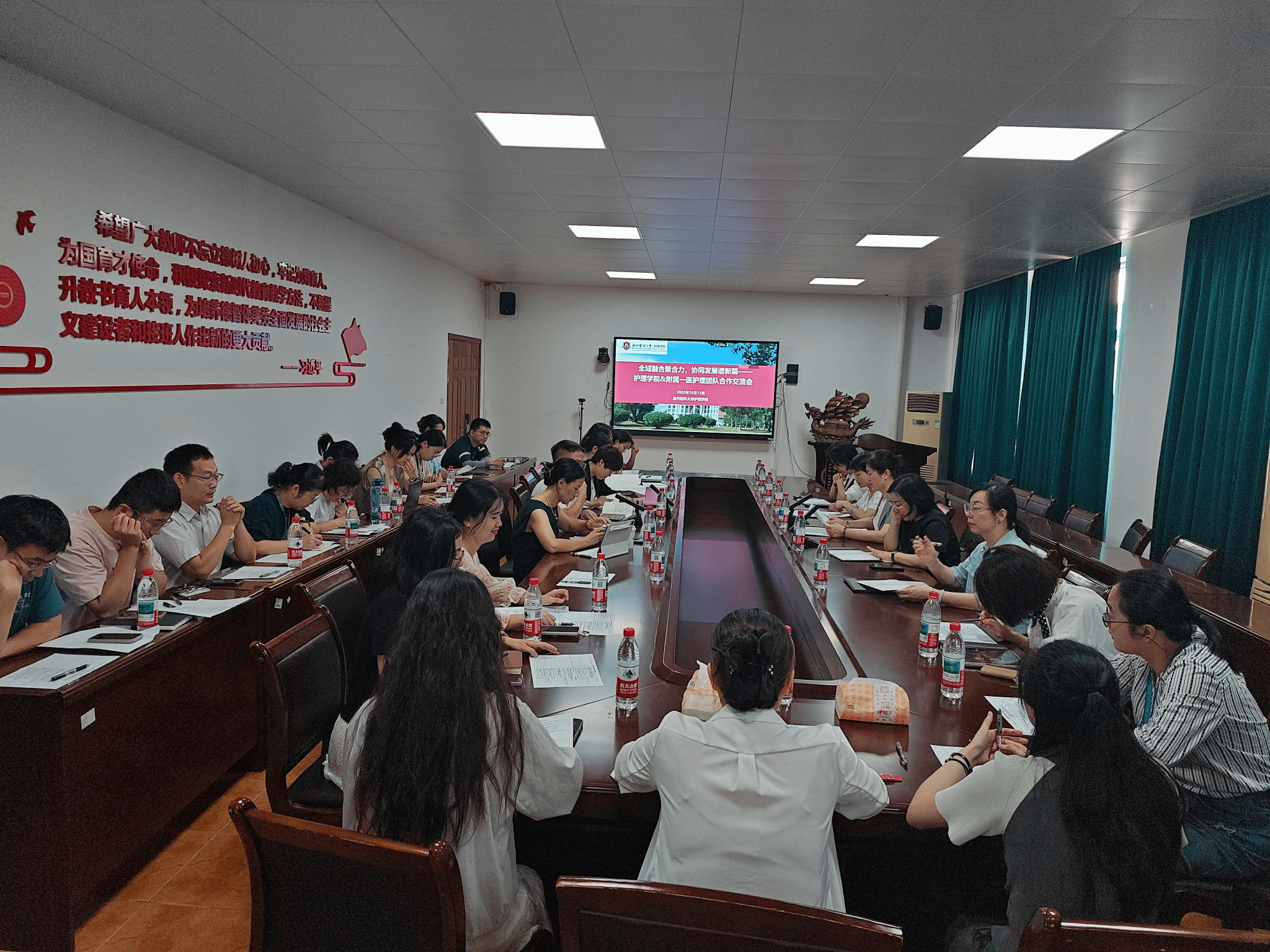
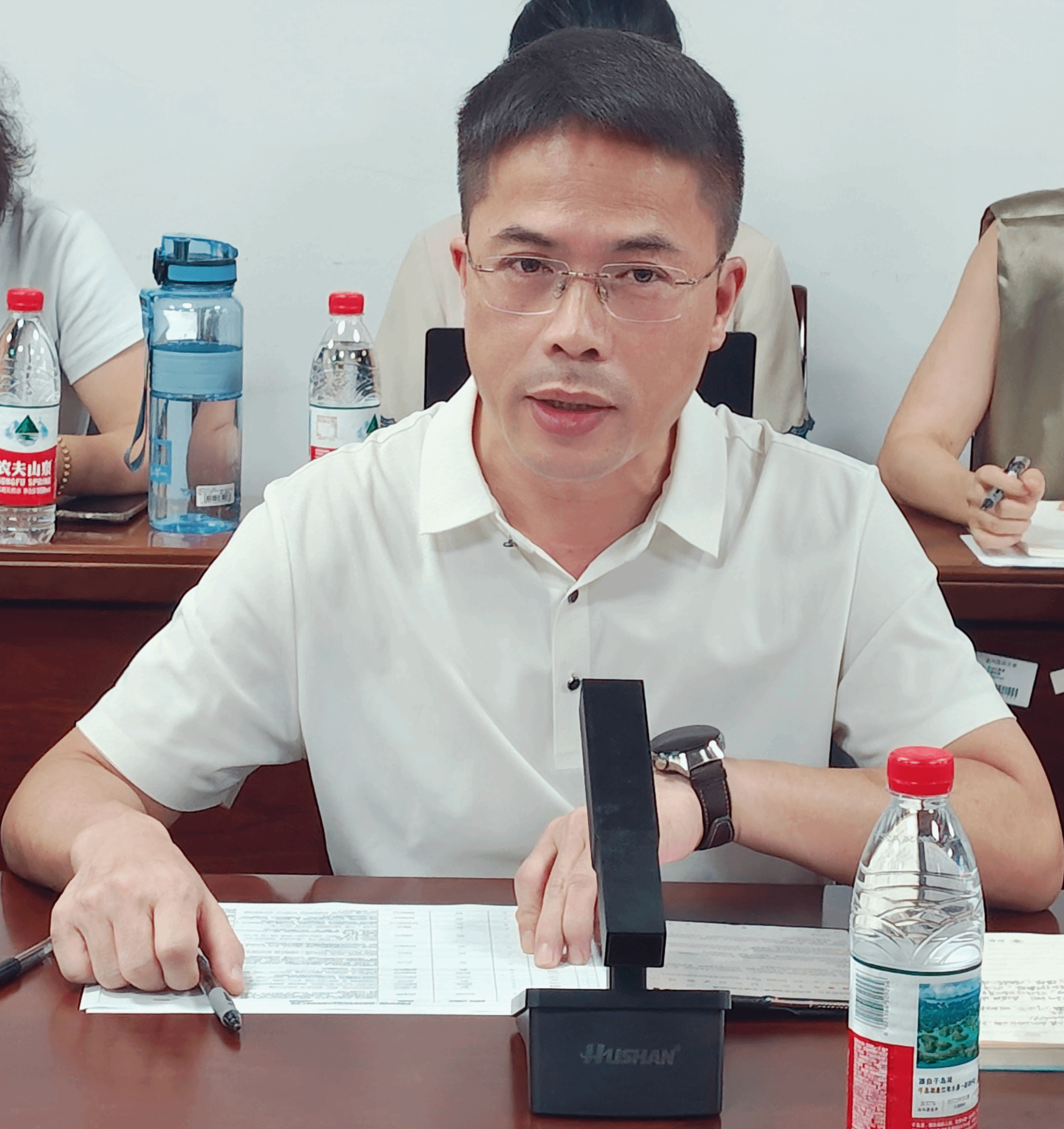
At the opening of the meeting, Dean Cai Fuman extended a sincere welcome to the nursing team of the First Affiliated Hospital on behalf of the school, and expounded the strategic significance of this alignment meeting from the perspective of industry development. He emphasized that the nursing discipline is currently in a critical stage of transformation from "experience-driven" to "data-driven". As the leading hospital in the region, the First Affiliated Hospital has accumulated a vast pool of high-quality clinical data resources. Meanwhile, the School of Nursing, relying on its well-established research platforms and talent reserves, possesses core capabilities in data translation and scientific innovation. The in-depth collaboration between the two parties is an inevitable choice to respond to the national Healthy China Strategy and cultivate high-caliber nursing professionals. Dean Cai Fuman proposed that both sides should take this meeting as a starting point to build a trinity data ecosystem integrating "clinical practice, teaching, and research"—guiding research directions by clinical needs, feeding back teaching practice with research outcomes, and improving clinical nursing standards through enhanced teaching quality. He also elaborated on the academic achievements of the 15 faculty representatives in fields such as nursing education innovation, basic nursing research, and nursing artificial intelligence research. Furthermore, he spoke highly of the nursing team of the First Affiliated Hospital for setting an industry benchmark in nursing practice, referring to them as the "core engine" driving the improvement of regional nursing quality.
Director Xu Xiaoqun introduced the accompanying nursing team of the First Affiliated Hospital—a "elite force" covering key areas such as critical care nursing, geriatric nursing, and wound & ostomy nursing. This team has not only accumulated rich experience in clinical practice but also achieved fruitful results in scientific research. Centering on the theme of "how to translate collaborative advantages into tangible outcomes for disciplinary development", she clarified three core tasks for bilateral cooperation, providing a "roadmap" for follow-up work:
First, advancing the construction of data standardization: Unifying norms for clinical documentation and research data collection, establishing a data standard system covering the entire nursing workflow, and laying a solid "foundation" for data sharing, analysis, and application.
Second, developing a digital teaching case database: Selecting typical and difficult clinical cases and converting them into reusable and scalable teaching resources, addressing the pain point of "disconnection between theory and practice" in nursing education, and cultivating students' clinical thinking and practical operation capabilities.
Third, conducting joint research project tackling: Focusing on "bottleneck" issues in clinical nursing, such as rehabilitation management of critically ill patients, care for elderly patients with chronic diseases, and prevention and control of wound & ostomy complications, establishing an integrated research team across the two institutions, and producing scientific achievements with both academic value and clinical applicability.
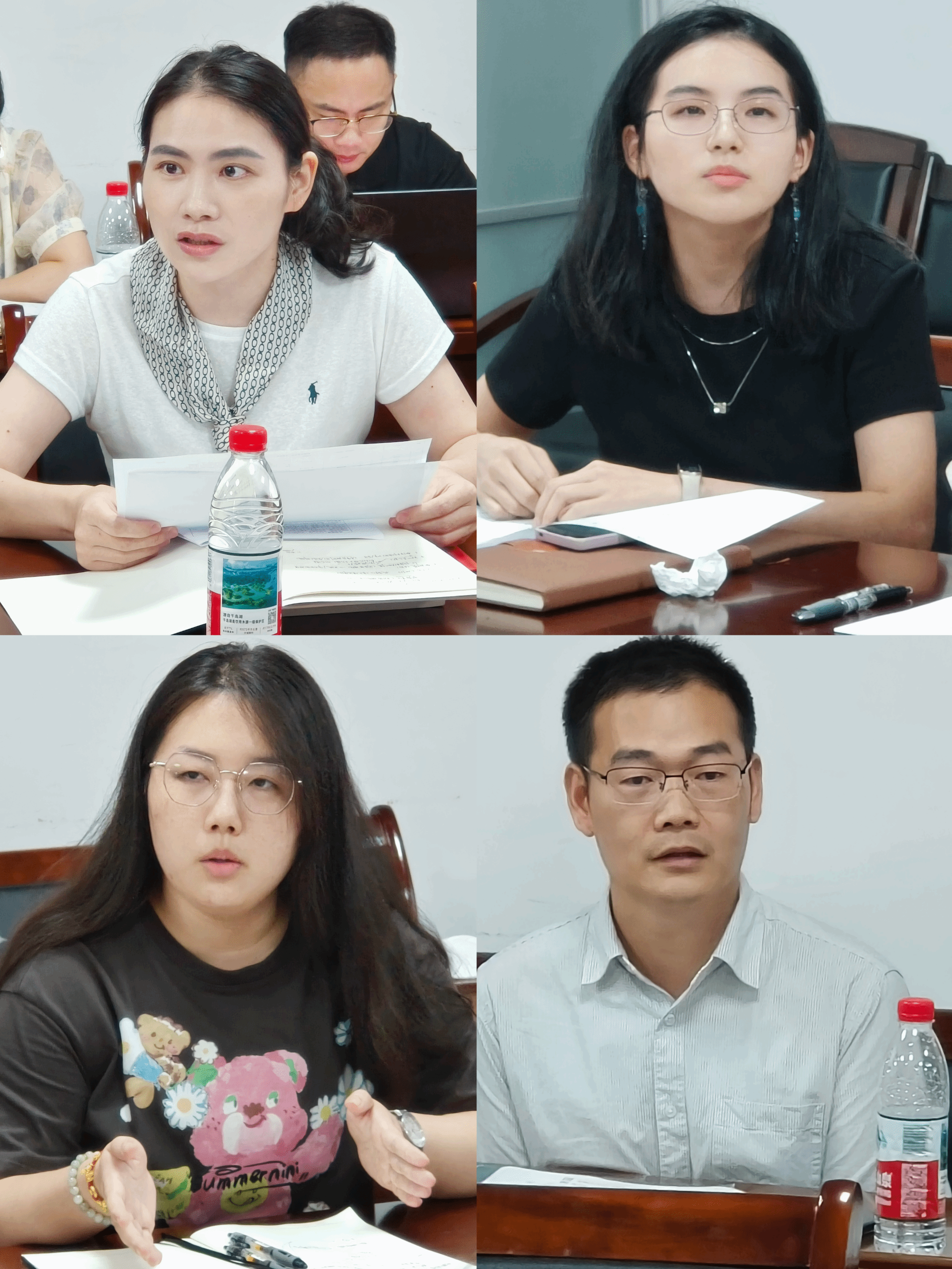
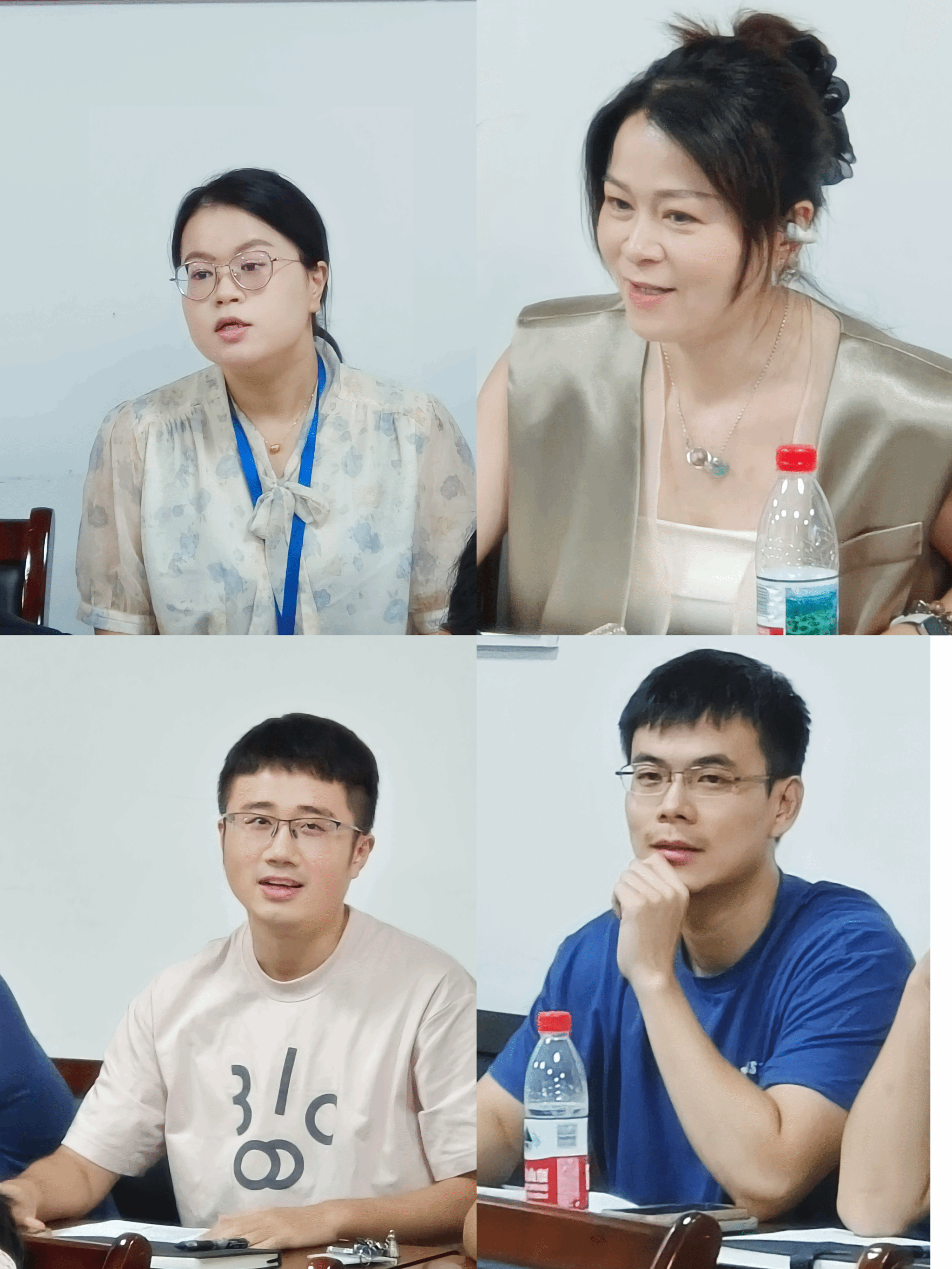
Subsequently, the 15 faculty representatives from the School of Nursing delivered speeches one by one. Combining their respective research directions, they put forward demands for clinical data sharing, demonstrating the school’s pragmatic attitude toward promoting the implementation of research outcomes. In response to the needs raised by the faculty, nursing staff from various departments of the First Affiliated Hospital conducted one-on-one targeted consultations with the teacher representatives, engaged in in-depth discussions on details such as the scope of data sharing, update frequency, and usage norms, and reached multiple consensuses. The nursing team of the First Affiliated Hospital clearly stated that they would establish a "green channel" to provide the school with required clinical data on the premise of ensuring data security, and assign dedicated personnel to guide data utilization. For their part, the teacher representatives promised to give full play to their research strengths, assist the hospital in solving practical clinical problems, and form a positive cycle of "clinical practice raises demands, scientific research provides solutions, and both parties jointly implement them".
At the closing of the meeting, Dean Cai Fuman delivered a summary speech, highlighting the meeting’s outcomes from the dual perspectives of industry development and regional service. He pointed out that this alignment meeting not only broke down the data barriers between clinical practice and scientific research but also established a new collaborative development model characterized by "resource sharing, complementary advantages, and mutual benefit and win-win results". By establishing a regular mechanism for data sharing and a joint research model, both sides will transform clinical resources and talent advantages into driving forces for scientific innovation, helping the university’s nursing discipline achieve breakthroughs in areas such as clinical nursing technology translation and nursing big data analysis, and laying a foundation for building a nursing research system with regional characteristics.
