On August 3, 2025, the 28-day summer exchange program of the School of Nursing, Wenzhou Medical University at Burapha University Thailand successfully concluded. This cross-border academic journey enabled us to deepen our professional knowledge and temper our growth in the cultural soil of a foreign country. As we packed our luggage for the return trip, it held far more than just clothes and books—it cherished the sparks of intellectual collisions, imprints of exotic customs, and sincere friendships transcending mountains and seas.
To gain an in-depth understanding of the service processes, medical technologies, healthcare concepts of Thailand’s medical system and the Sino-Thai differences in medical ethics, the exchange group visited 4 hospitals and 2 institutions on site.
Aikchol 1 Hospital, the first private hospital in Chonburi Province, is renowned for prioritizing patient privacy and providing efficient, thoughtful services. It offers private consulting rooms, single wards and suite-style wards to ensure privacy, deploys medical guides and provides free wheelchairs, with great attention to service details. The exchange group visited the emergency department, obstetrics and gynecology department, and inpatient department in groups, gaining insights into Thailand’s emergency rescue procedures, maternal and infant care, and inpatient care models.
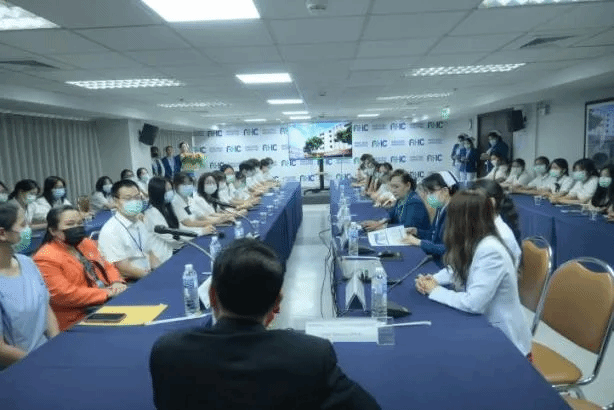
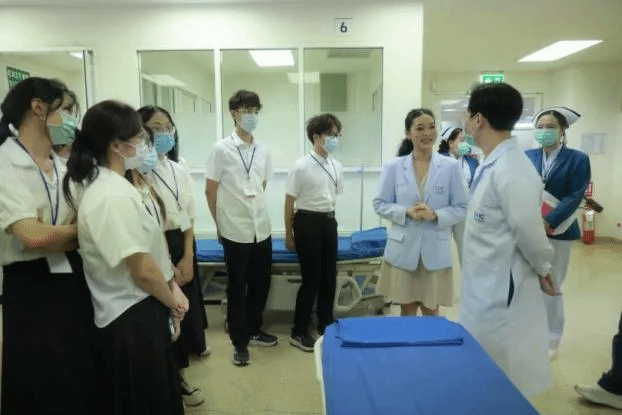
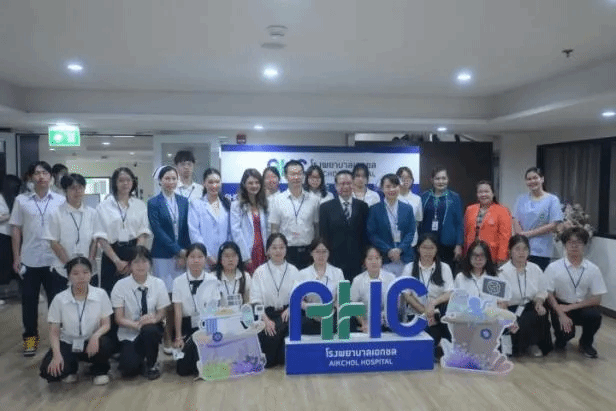
BUH is the affiliated hospital of Burapha University Thailand. The group focused on visiting its infrastructure and functional layout of various departments. By comparing public and private hospital systems, they deepened their understanding of Thailand’s healthcare system. Key visits included the nephrology department (hemodialysis center) and ICU, where they identified differences in visiting hours and nursing procedures compared with domestic hospitals. The visit to BUH provided a vital perspective on the operation of Thailand’s public hospitals and the disparities between public and private systems.
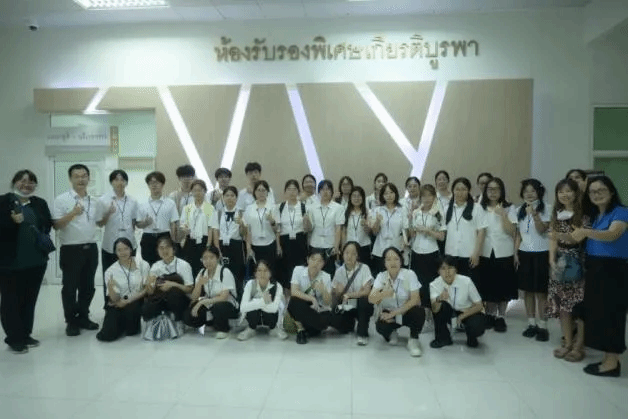
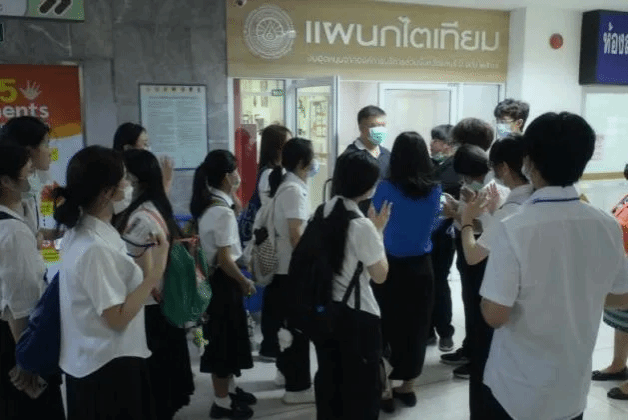
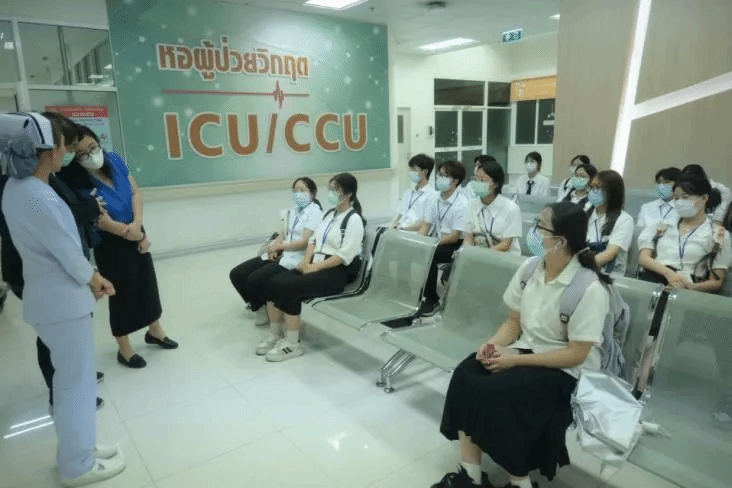
Chonburi Cancer Hospital is a specialized hospital focusing on the treatment and nursing of cancer patients. During the visit, the group learned about Thailand’s healthcare welfare policies that offer financial support and subsidies to chemotherapy patients. The head nurse elaborated on the roles and responsibilities of oncology nurses—not only treatment collaborators, but also core providers of radiotherapy nursing and emotional supporters. After touring the chemotherapy ward and radiology department, the students deeply realized that oncology nursing emphasizes holistic care and empathy, and sent recovery wishes to patients before departure.
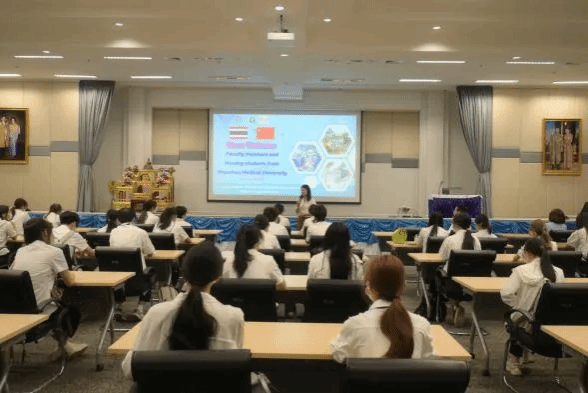
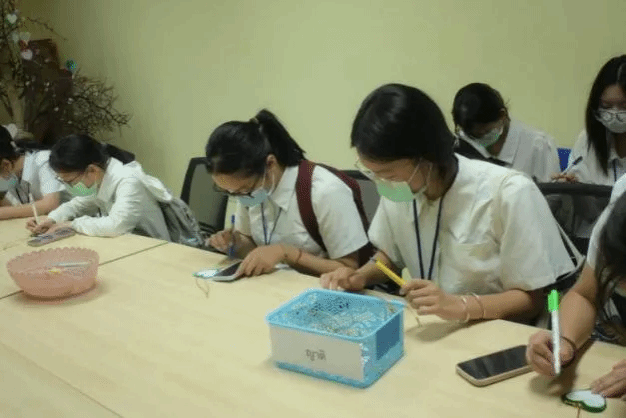
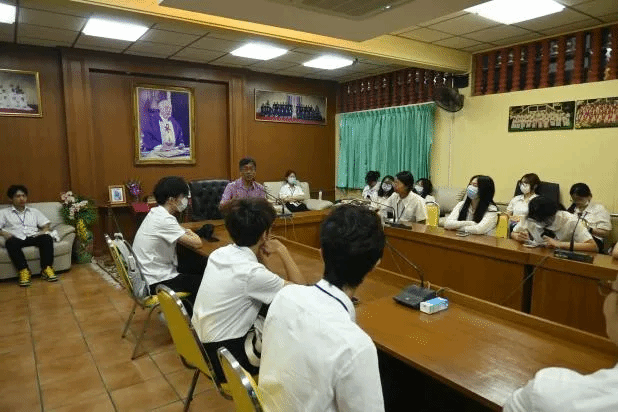
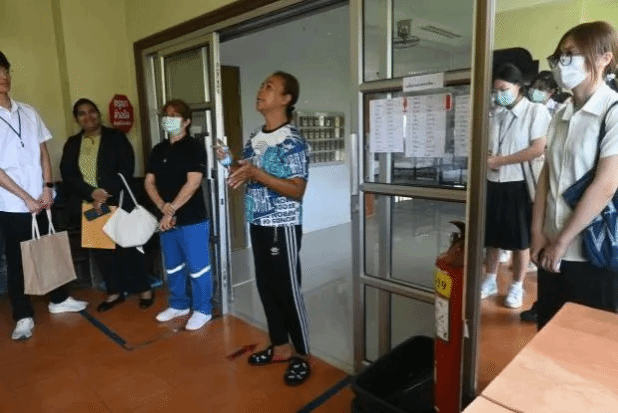
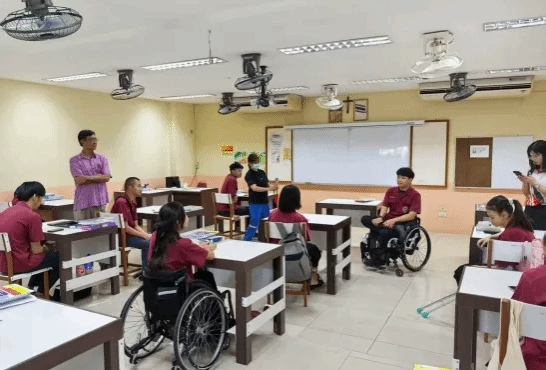
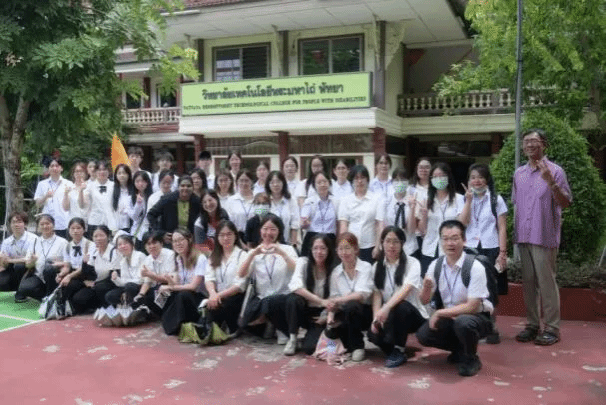
The exchange group also visited the Savior Foundation School for Persons with Disabilities, which aims to provide care and skills training to help disabled students achieve independence and integrate into society. Through videos, the school showcased students’ diverse courses (computer science, English) and recreational activities (sports, marathons, ball games). The group felt the tenacity of life, the power of education and the dignity of life through the school’s empowerment-oriented education.At the warm nursing home for the elderly, the group experienced a life of respect and care for seniors.
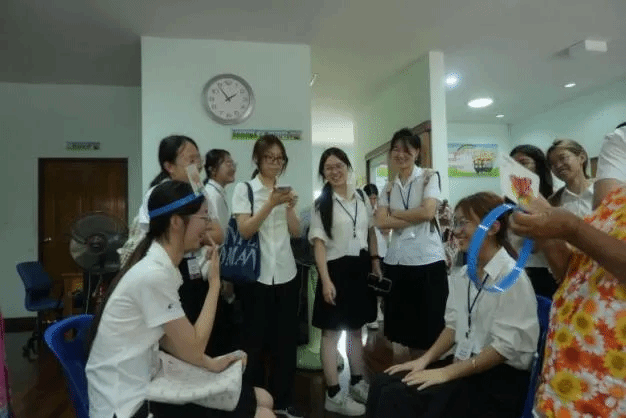
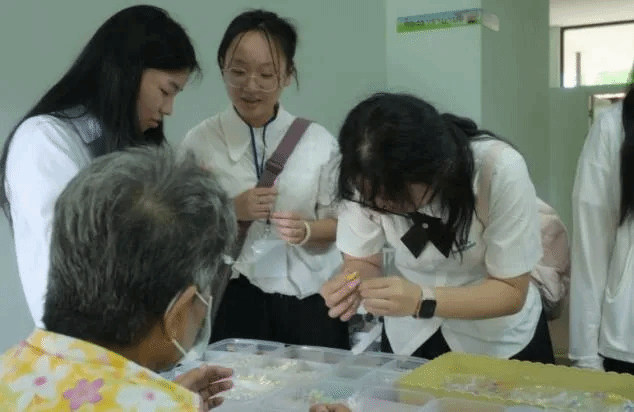
In the activity room, the elderly enthusiastically participated in various activities like word guessing, ring toss, painting and handicrafts, while nursing staff provided patient treatment and companionship. Members of the exchange group were invited to join in, creating a joyful atmosphere. Here, time seemed to slow down gently, presenting an ideal picture where aging no longer equates to loneliness.
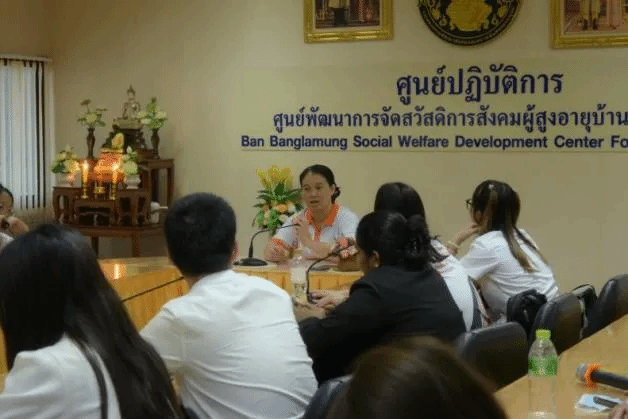
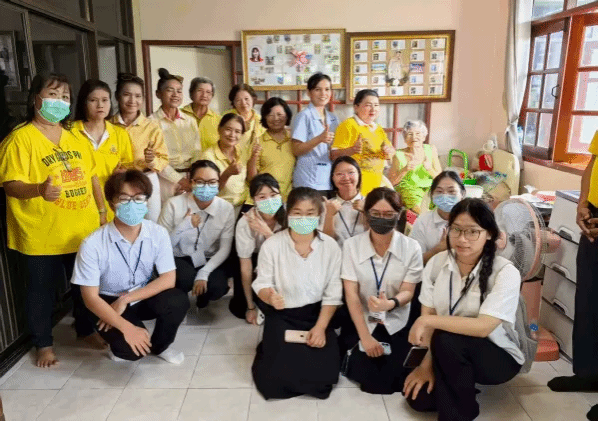
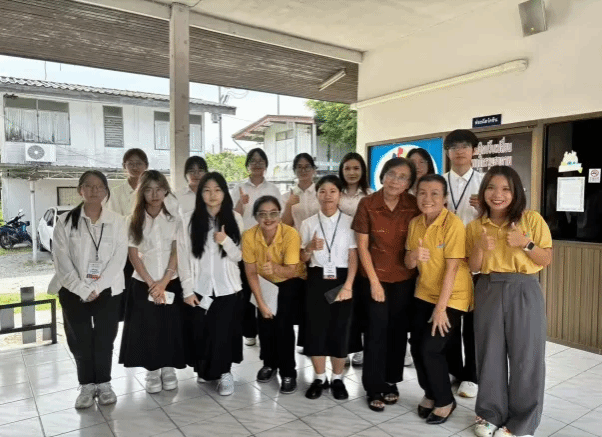
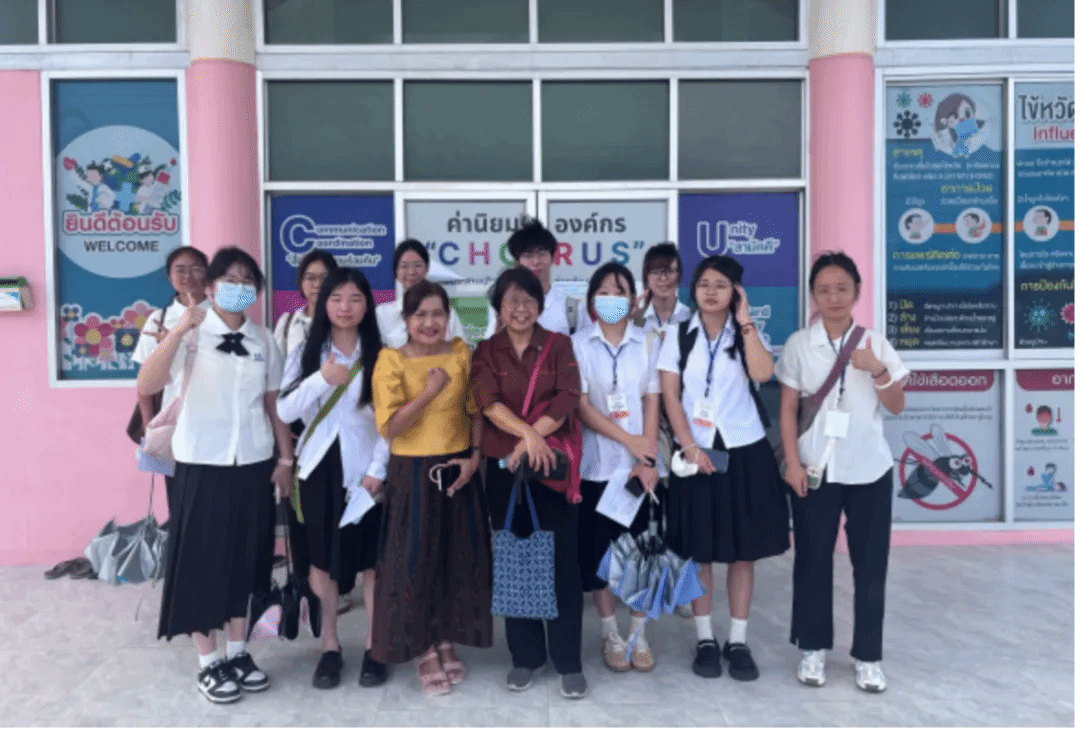
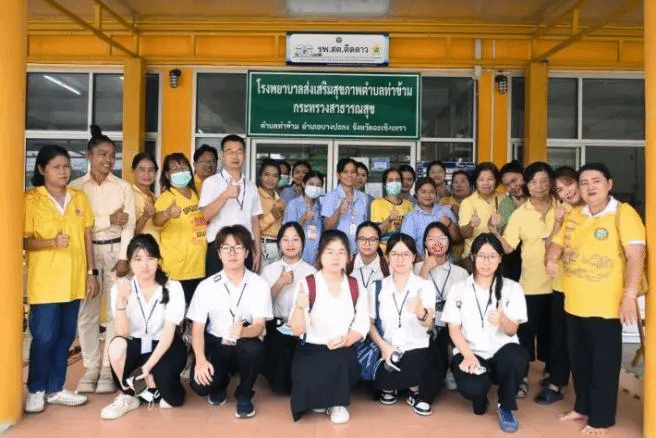
At the community hospital, the group witnessed the warm practice of "healers’ benevolence". A team of nurses and community volunteers went deep into rural areas to safeguard residents’ health—conducting regular blood pressure and blood glucose monitoring, health lectures, patient care and follow-up visits. The group accompanied volunteers to visit a 92-year-old grandmother with heart disease and hypertension, who remained in high spirits and laughed heartily under regular home monitoring and guidance. The students profoundly understood that the warmth of a hospital lies not in its scale, but in the depth and sincerity of its services.
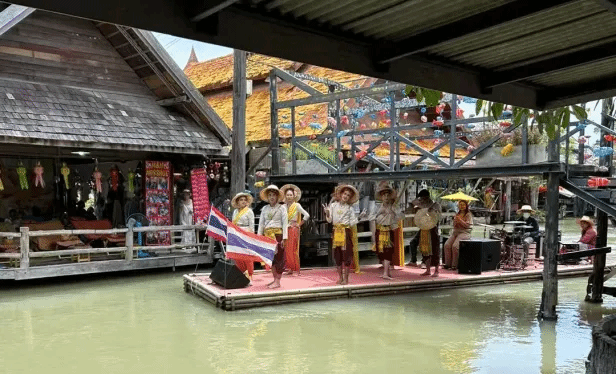
Amid busy studies, Burapha University also organized visits to many famous scenic spots for the students, such as Thailand’s floating market. A bustling paradise for shopping and delicacies built on canals, it allowed students to take longtail boat tours and enjoy the unique experience of shopping on water. With diverse stalls offering fresh fruits, handicrafts and authentic local food, the market exuded strong Thai charm and provided a brand-new experience.
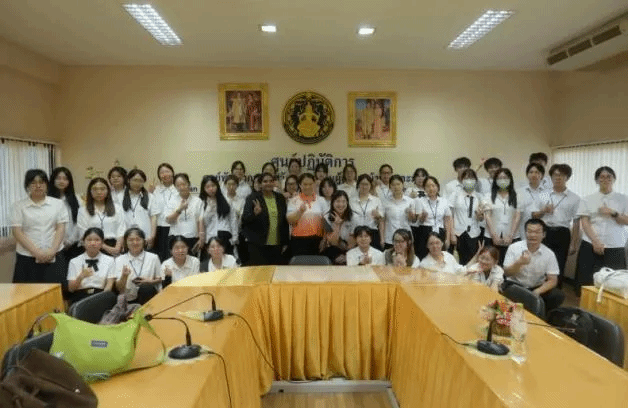
On the final day of the study tour at Burapha University Thailand, a warm and joyful closing ceremony drew a perfect end to this cross-cultural exchange. Thai faculty representatives delivered speeches, reviewing the wonderful journey, highly praising the students’ active participation and envisioning more future exchange and cooperation opportunities. Chinese and Thai students jointly presented brilliant performances: Chinese students conveyed the profound heritage of Chinese culture through a powerful recitation of Ode to the Yellow River, then ignited the venue with an energetic dance of The Most Dazzling Ethnic Style, inviting Thai students to join in and showcasing the vitality and rapport of Sino-Thai youth. Thai students displayed the unique charm of Thai culture through elegant traditional dances. During the sharing session, teachers and students from both sides exchanged insights from the tour. Students of the exchange group said the tour broadened their horizons and deeply immersed them in the charm of Thai culture. Finally, the Dean of the School of Nursing at Burapha University Thailand awarded completion certificates to each student and took group photos, freezing precious moments of this unforgettable journey.
After the ceremony, teachers and students dined together, sharing their experiences and gains. This study tour not only promoted in-depth integration of Sino-Thai cultures, but also enabled every participant to gain knowledge, friendship and growth, sowing seeds of friendship for future international exchanges.
