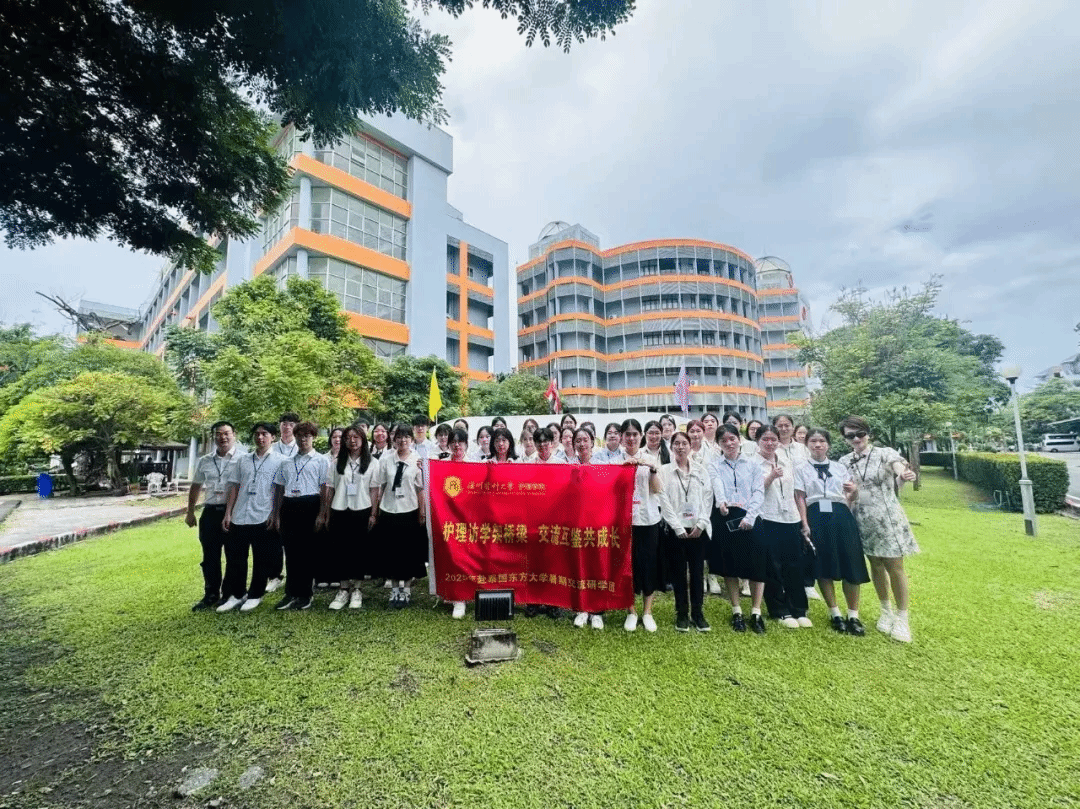
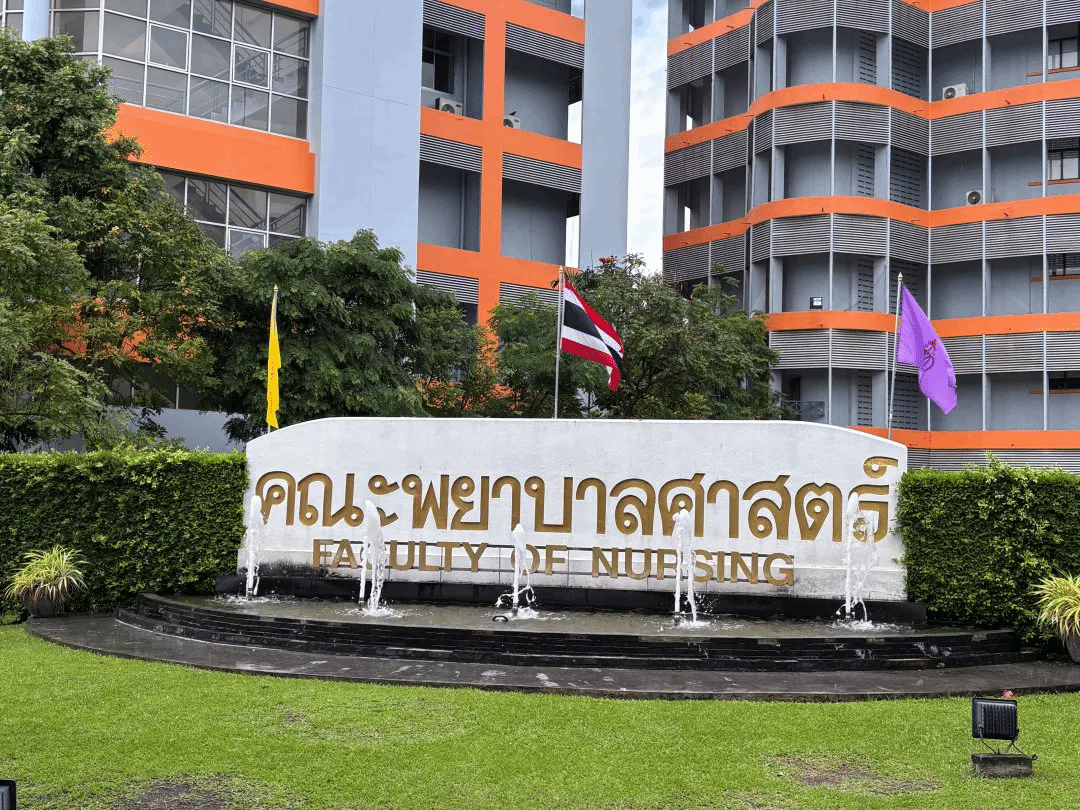
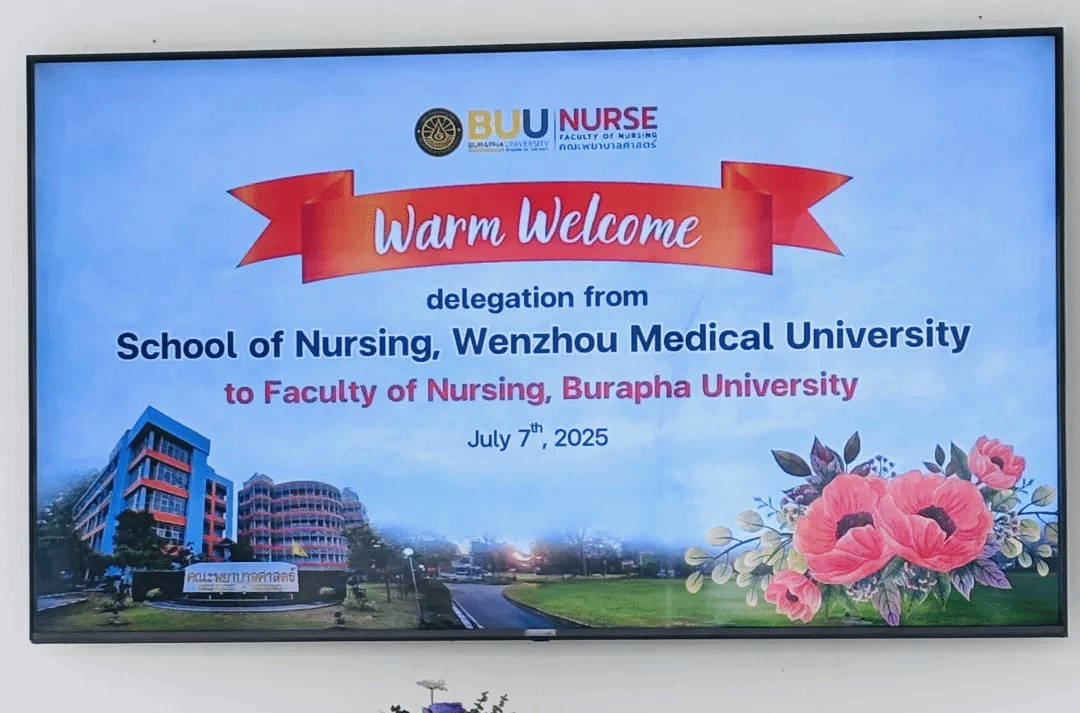
In the scorching July heat, filled with expectations for the unknown and longing for professional growth, 39 students from the School of Nursing at Wenzhou Medical University (WMU) traveled to Thailand to embark on a four-week exchange program with the School of Nursing at Burapha University.
Burapha University (BUU), officially founded in Chonburi Province, Thailand in 1955, is a large-scale public comprehensive university with over 20,000 students. Established in June 1982, its School of Nursing has gradually built a complete training system, starting from undergraduate education and expanding to master's and doctoral programs. It also offers international nursing master's and doctoral programs, which have been accredited by the American Nurses Association and enjoy high recognition and influence in the field of international nursing education. This exchange program is not only a cross-border knowledge exchange, but also a valuable opportunity for nursing students to broaden their horizons and gain insights into diverse nursing cultures.
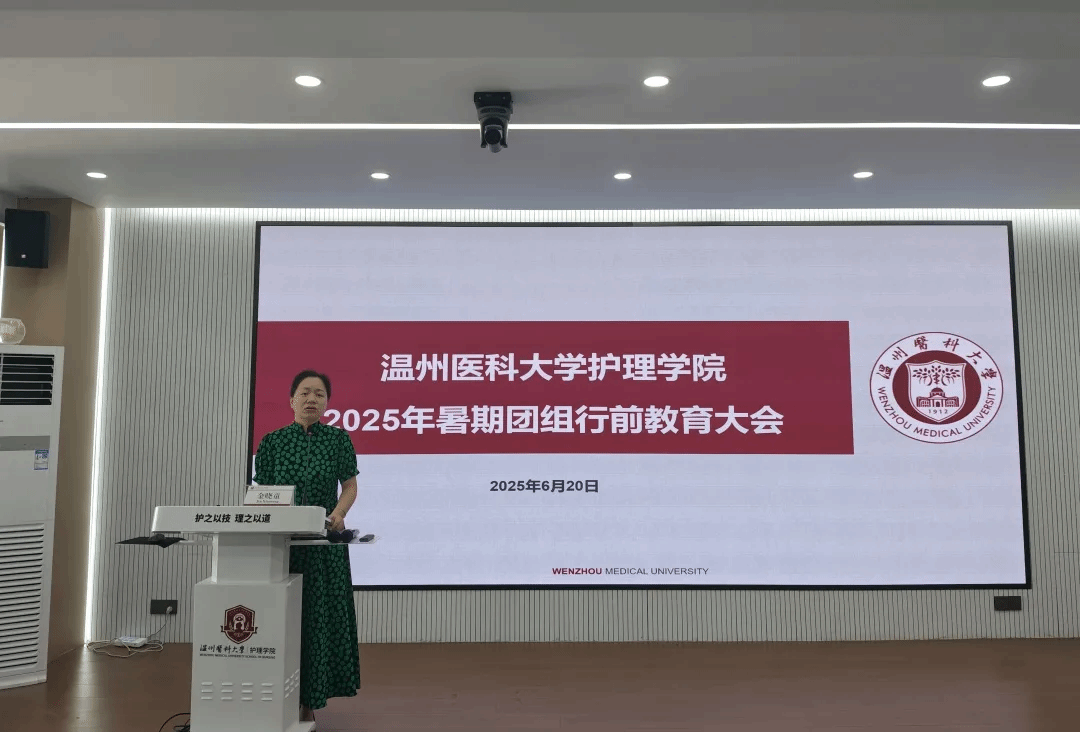
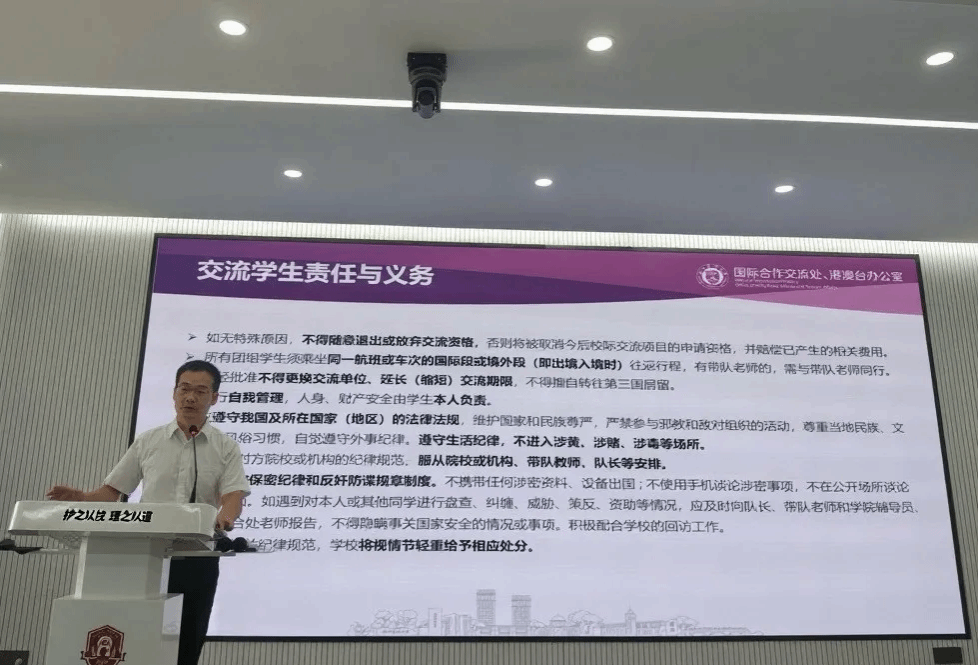
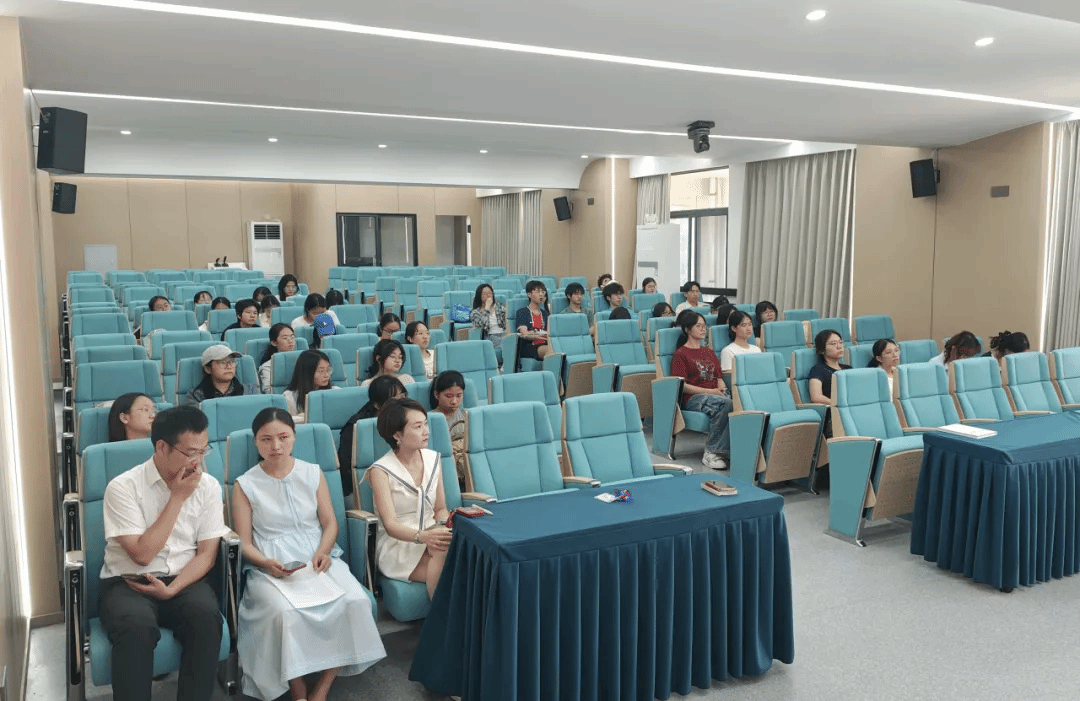
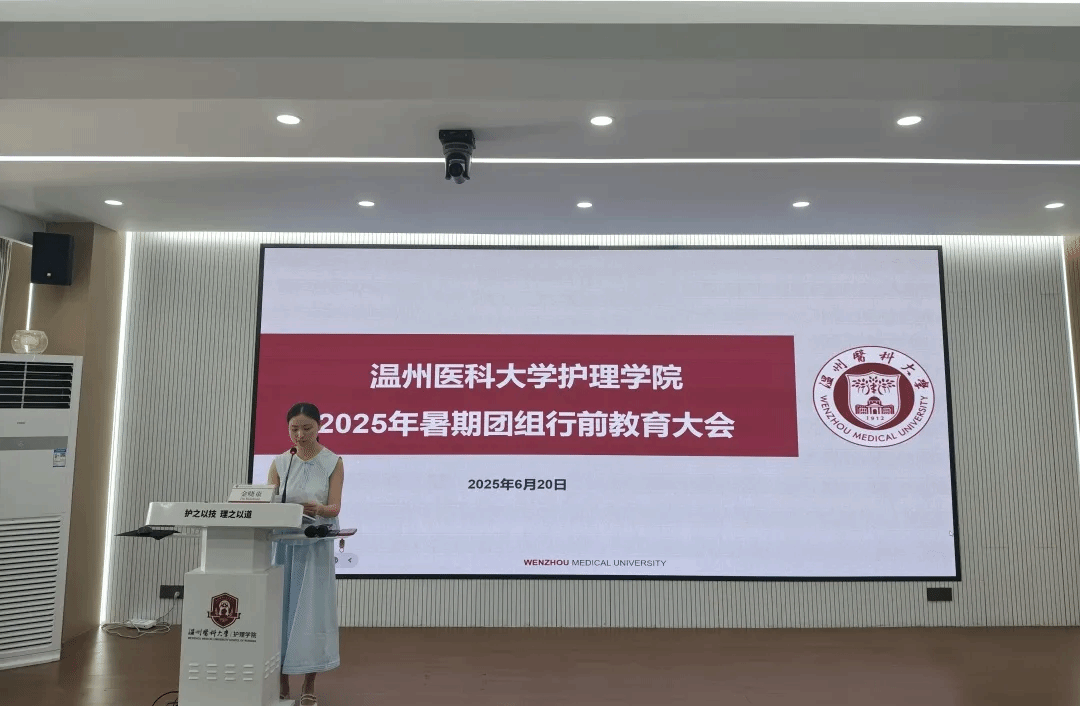
Before departure, the school carefully organized a pre-departure education meeting to build a "double defense line" for the visit. At the meeting, Jin Xiaotong, Deputy Secretary of the Party Committee of the School, emphasized that students must always prioritize personal and property safety abroad, strictly abide by foreign affairs discipline, and show the good demeanor of Chinese students with a youthful attitude in cross-cultural exchanges. Meanwhile, from the perspective of professional development, he encouraged everyone to cherish the international exchange platform and actively practice cross-cultural communication skills. Teachers Zhu Zhenggang and Wang Yiting sorted out a pre-departure preparation list for the students from the aspects of the responsibilities and obligations of exchange students and daily life details. Their meticulous reminders enabled the students to have a clear plan for their life abroad. The meeting specially invited Teacher Fu Limin, who led the exchange group last year, to share her experience. Combining her personal experience, she carefully answered questions for the students regarding daily life, classroom learning, and cultural adaptation. Her informative sharing boosted the students' confidence in the upcoming exchange journey. At the meeting, all students solemnly signed the Confidentiality and Safety Code. This solemn commitment is not only a constraint of behavioral norms, but also carries the school's deep expectations for the students to study safely and return with fruitful gains.
On the first morning after arriving at Burapha University, the conference room of the School of Nursing was already filled with a warm welcoming atmosphere. In the center of the long table, a traditional Thai dessert—bamboo tube sticky rice—was neatly arranged, with each section of green bamboo tube filled with glutinous rice. This dessert was a thoughtful preparation by the school, allowing the newly arrived students to feel the enthusiasm of the hosts through tasting and adding a unique regional touch to the welcome meeting.
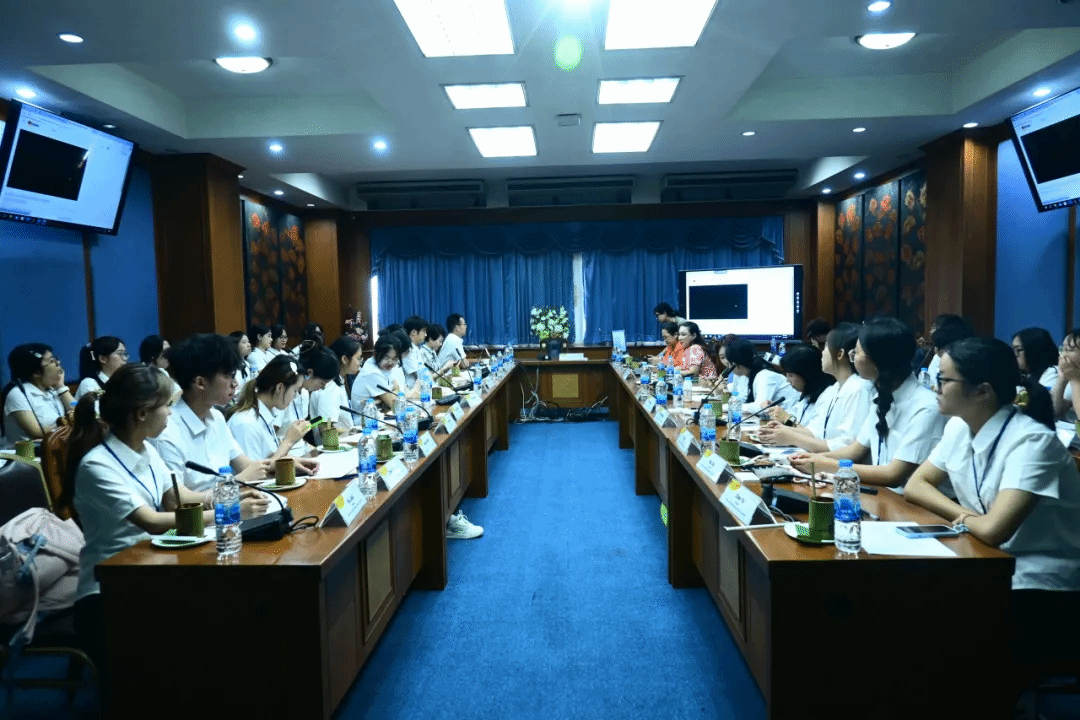
The welcome meeting was hosted by Ms. Louela, who systematically introduced the core content of the exchange program: the curriculum includes modules such as tropical disease nursing and cross-cultural nursing communication; the practical arrangements involve visits to community health service centers and teaching hospitals; in addition, she clarified that the final academic report will be the form of achievement presentation and also explained the precautions for daily life. After the explanation, the students actively asked questions about curriculum connection, visit schedule, facilities around the accommodation, and specific requirements for the academic report. Ms. Louela answered each question patiently, and especially gave specific suggestions on key issues such as "how to efficiently obtain professional information during visits to support the academic report" and "possible communication barriers in cross-cultural exchanges and corresponding solutions". This interaction not only made the students clear about the overall framework and progress direction of the program, but also filled them with confidence in successfully completing their studies and deeply experiencing local medical care and culture.
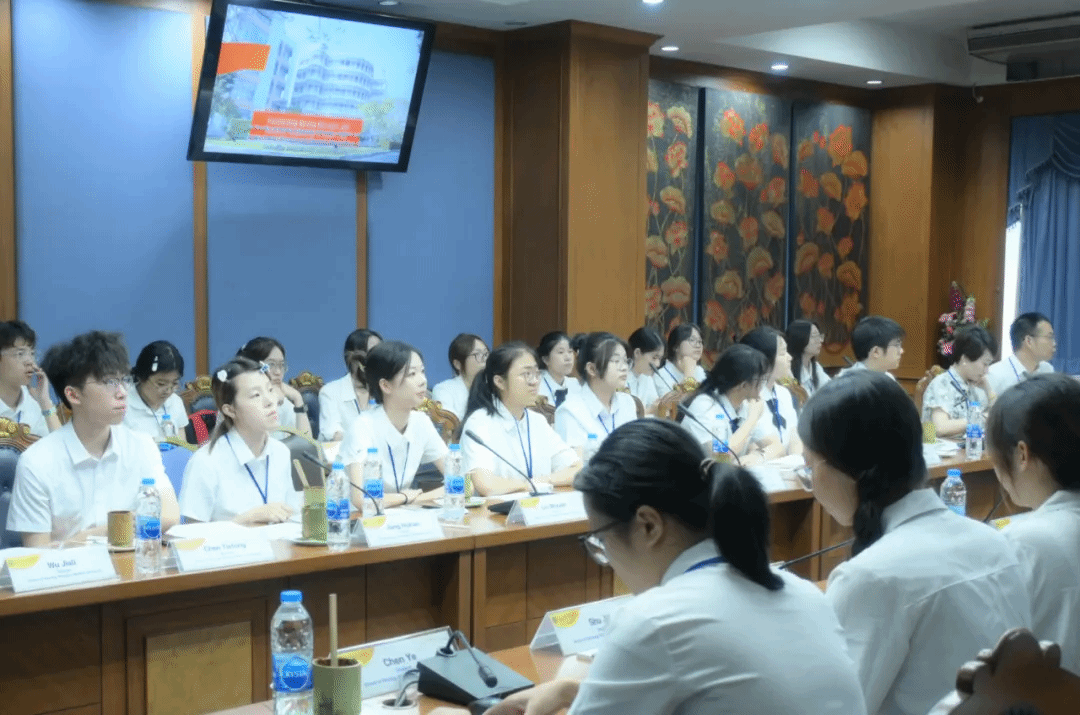
To deepen international exchanges in the nursing field, enhance nursing professional identity and cross-cultural nursing capabilities, the exchange group attended Thai nursing lectures in an immersive manner, starting a professional exploration journey across cultural boundaries and exploring new horizons of nursing development nourished by foreign knowledge.
Dr. Nisakorn Krungkripetch outlined Thai nursing education, medical policies, systems and workforce development for the students, and also discussed unique nursing practices and patient care models with them. Subsequently, the students learned about the framework and operation of Thailand's hospital referral system and clinical rotations.
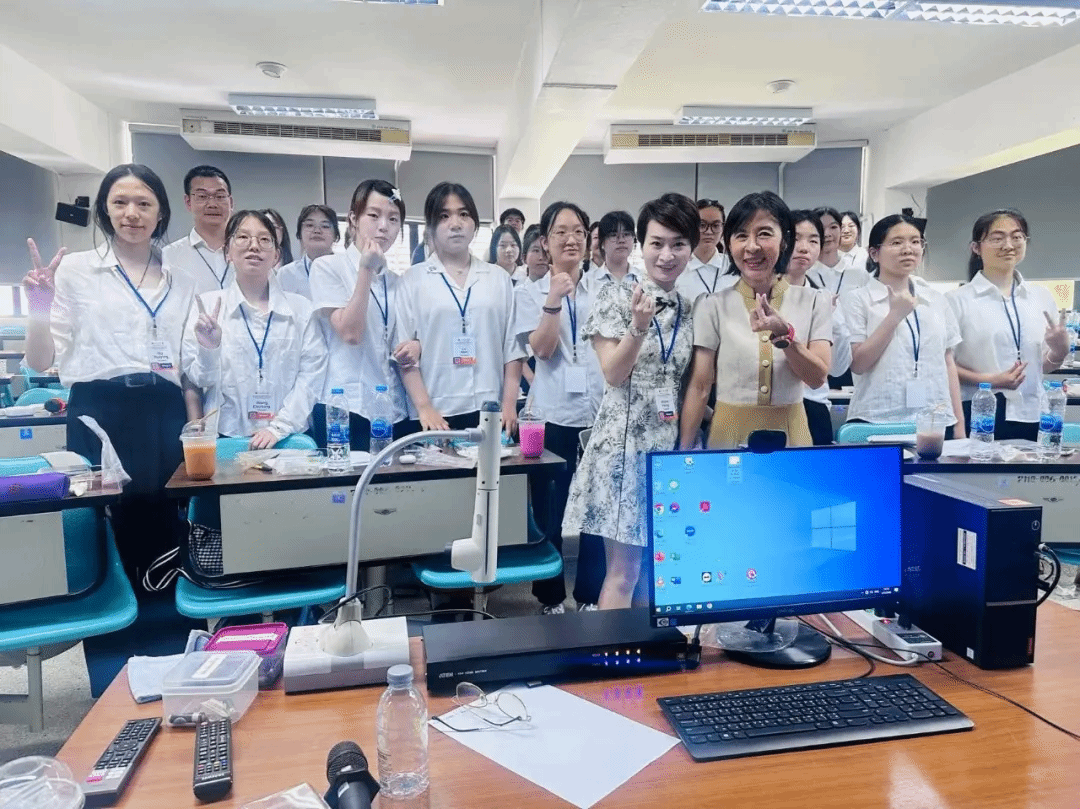
Ms. Louela enthusiastically introduced Thai culture and traditions to the students, including Thai numeral pronunciation, daily expressions, traditional festivals and characteristic cuisine, which benefited the students a lot. This cultural exchange not only helped everyone cultivate cultural awareness, but also enabled them to truly experience cross-cultural communication.
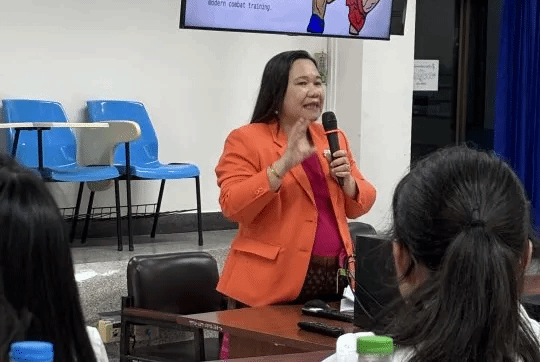
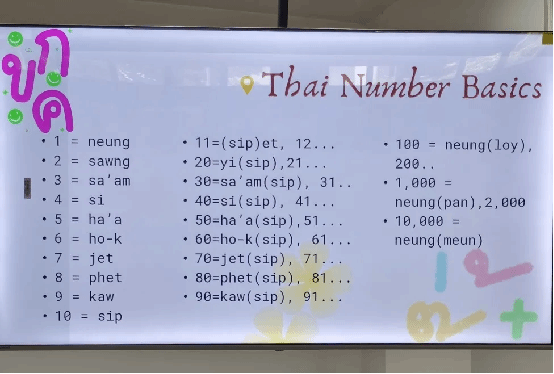
Later, Dr. Wannarat Lawang took the interdisciplinary approach in patient-centered community nursing as the starting point, making the students understand the roles of various medical professionals in chronic disease management. As the exchange progressed, Dr. Saifone Moungkum further introduced the prevalence rate and management policies of chronic diseases in Thailand, explained in detail the multi-level medical service system, medical expense composition and palliative care. Through active questioning and discussion, the students gained a deeper understanding of chronic diseases.
In addition, Aj. Sawinhom and Aj. Thiranai introduced Thailand's medical support system for the elderly to the students, from analyzing the health problems of the elderly to explaining response measures and prevention methods, and also conducted discussions and exchanges on relevant content and policies. This allowed the students to understand the current situation, policies and challenges of elderly medical care in Thailand, and gain cutting-edge international nursing knowledge from a cross-cultural nursing perspective.
