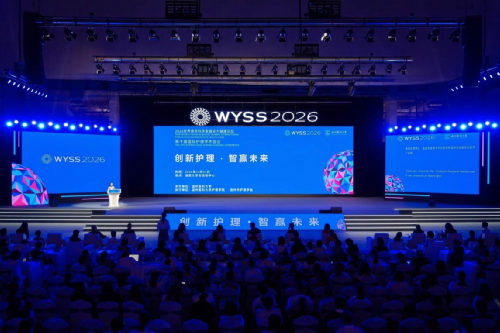
On October 25, the 2026 World Young Scientist Summit International Forum on Comprehensive Health Care,the 10th International Nursing Academic Conference opened at the Student Activity Center of the Chashan Campus of Wenzhou Medical University. Hosted by Wenzhou Medical University and co-organized by the School of Nursing of Wenzhou Medical University and the Wenzhou Nursing Association, the conference focused on artificial intelligence and nursing practice, interdisciplinary collaborative innovation, and cutting-edge developments in the nursing discipline, fostering high-level international academic dialogue. The conference featured one main venue and six sub-venues, attracting nearly 2,000 participants, including renowned nursing experts from home and abroad, clinical nursing professionals, and nursing graduate students.
Opening Ceremony
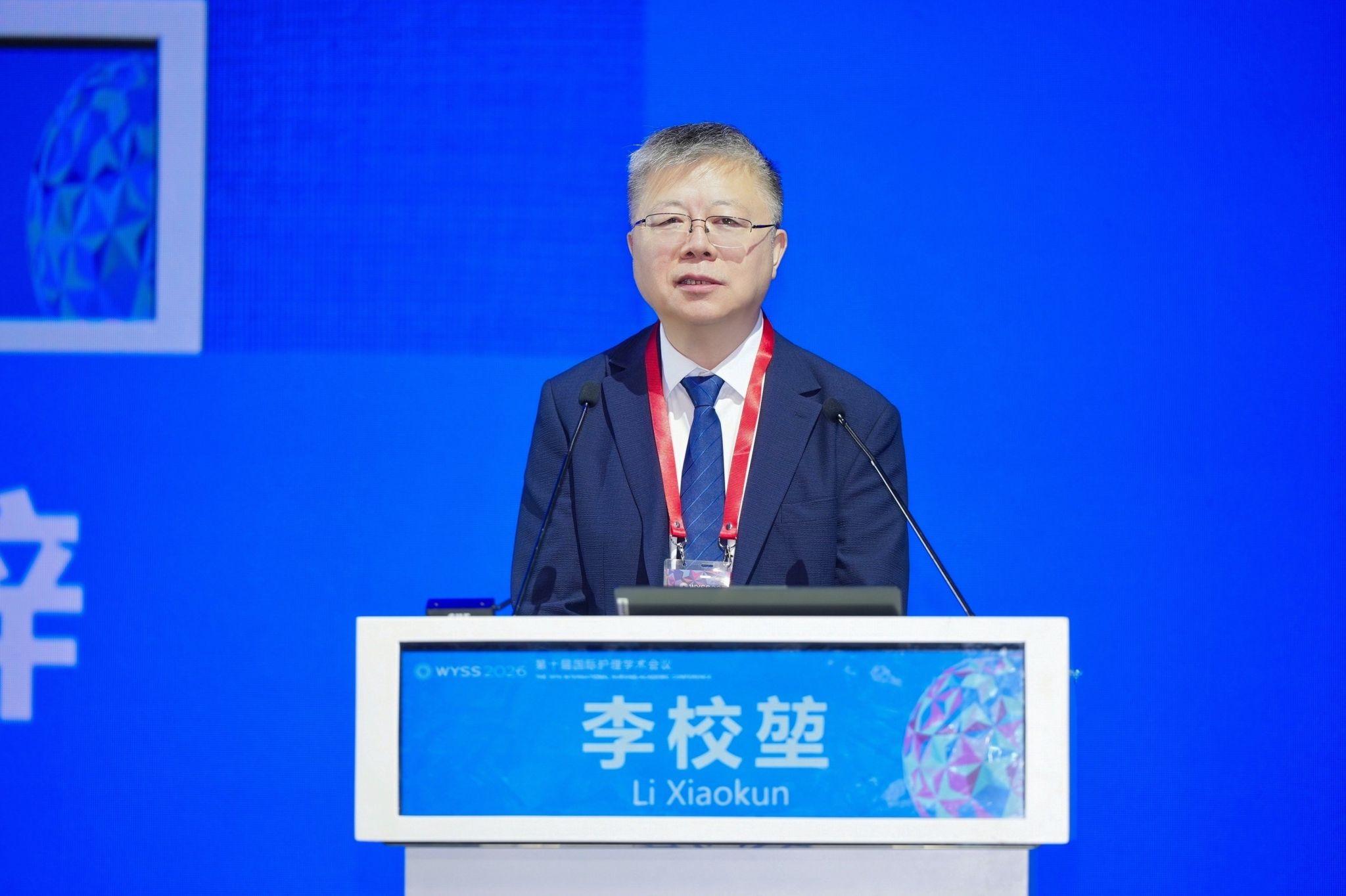
Li Xiaokun,Academician of the Chinese Academy of Engineering and president of Wenzhou Medical University,delivered a speech. On behalf of the university, he welcomed the guests and recognized the new breakthroughs achieved by the School of Nursing in recent years. He noted that the global healthcare system is undergoing profound reshaping, and that embracing digital-intelligent transformation, addressing the challenges of an aging population, and improving the quality of health services across the full life cycle have become the core propositions of high-quality nursing development. He expressed the hope that participating experts and young scholars would speak freely, spark new ideas, and explore new paths for empowering the development of nursing with digital and intelligent technologies, contributing more nursing wisdom and strength to building a global community of health for all.
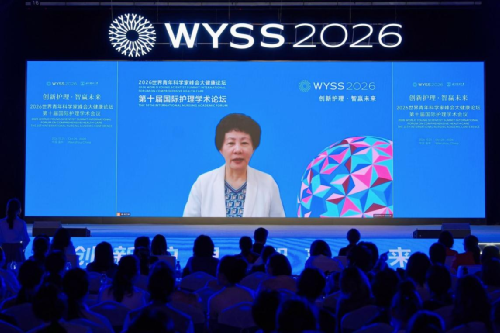
Professor Wu Xinjuan, President of the Chinese Nursing Association, delivered a speech via video. She congratulated the conference on its convening and affirmed the positive contributions made by the School of Nursing of Wenzhou Medical University and the Wenzhou Nursing Association to nursing talent cultivation and discipline development. She encouraged nursing professionals to actively embrace digital-intelligent transformation, empower nursing practice with new technologies such as artificial intelligence, strengthen cross-domain collaborative innovation, and promote the deep integration of nursing with multiple disciplines, jointly facilitating the implementation of the Healthy China strategy.
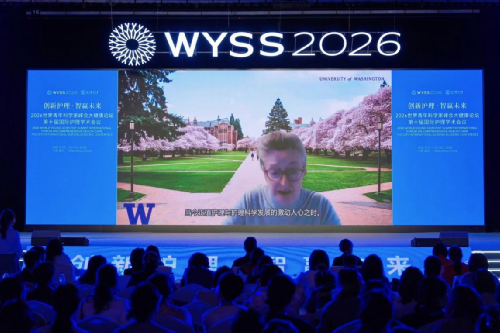
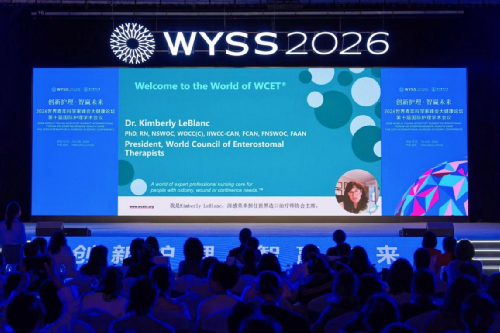
Professor Margaret Heitkemper of the University of Washington, USA, and Dr. Kimberly LeBlanc, President of the World Council of Enterostomal Therapists, delivered online speeches successively. From an international perspective, the two experts shared relevant cutting-edge research and global practices in specialty nursing. They expressed the hope of continuously deepening Sino-foreign academic exchange, actively promoting practical cooperation with the School, and jointly advancing the coordinated development of international nursing.
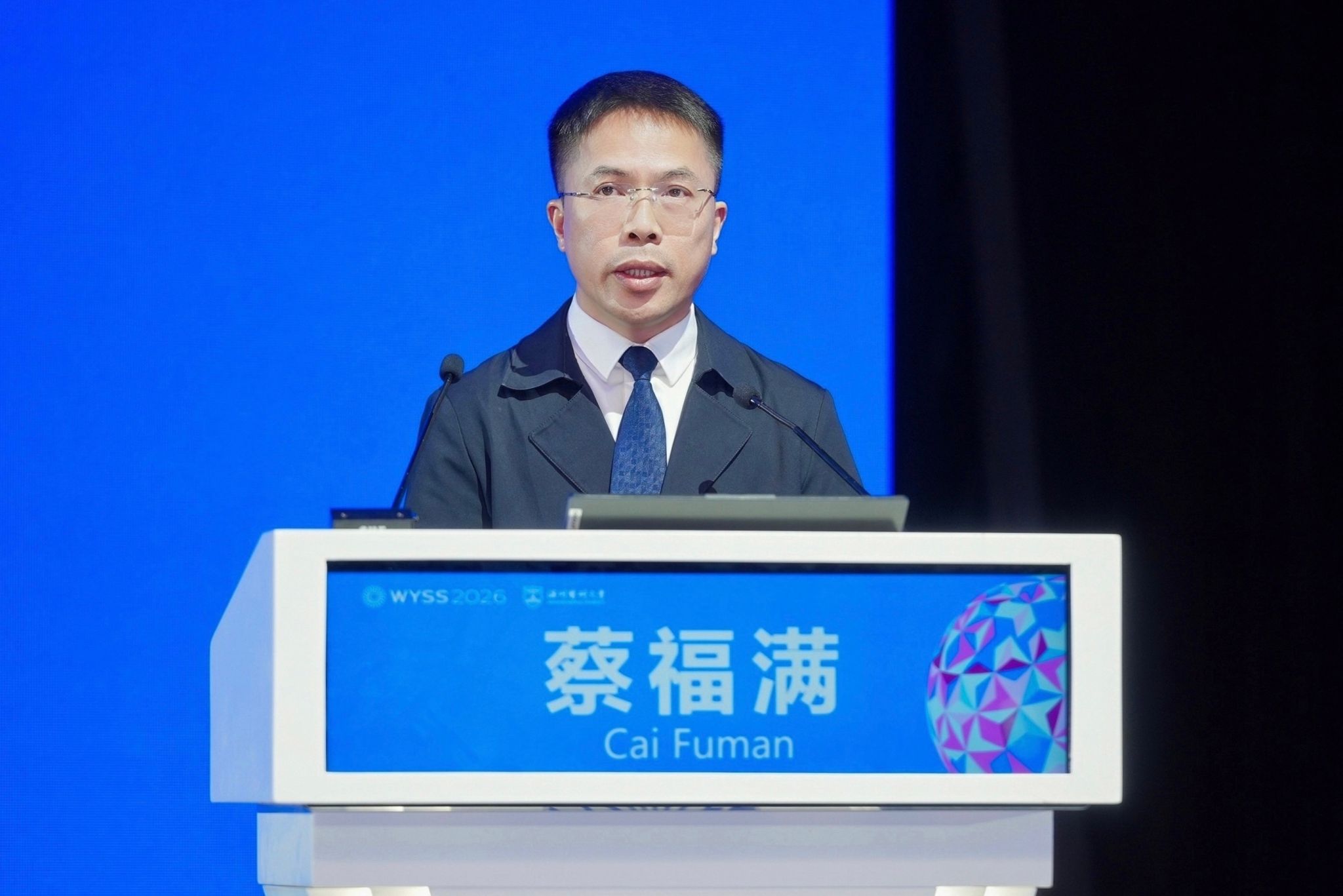
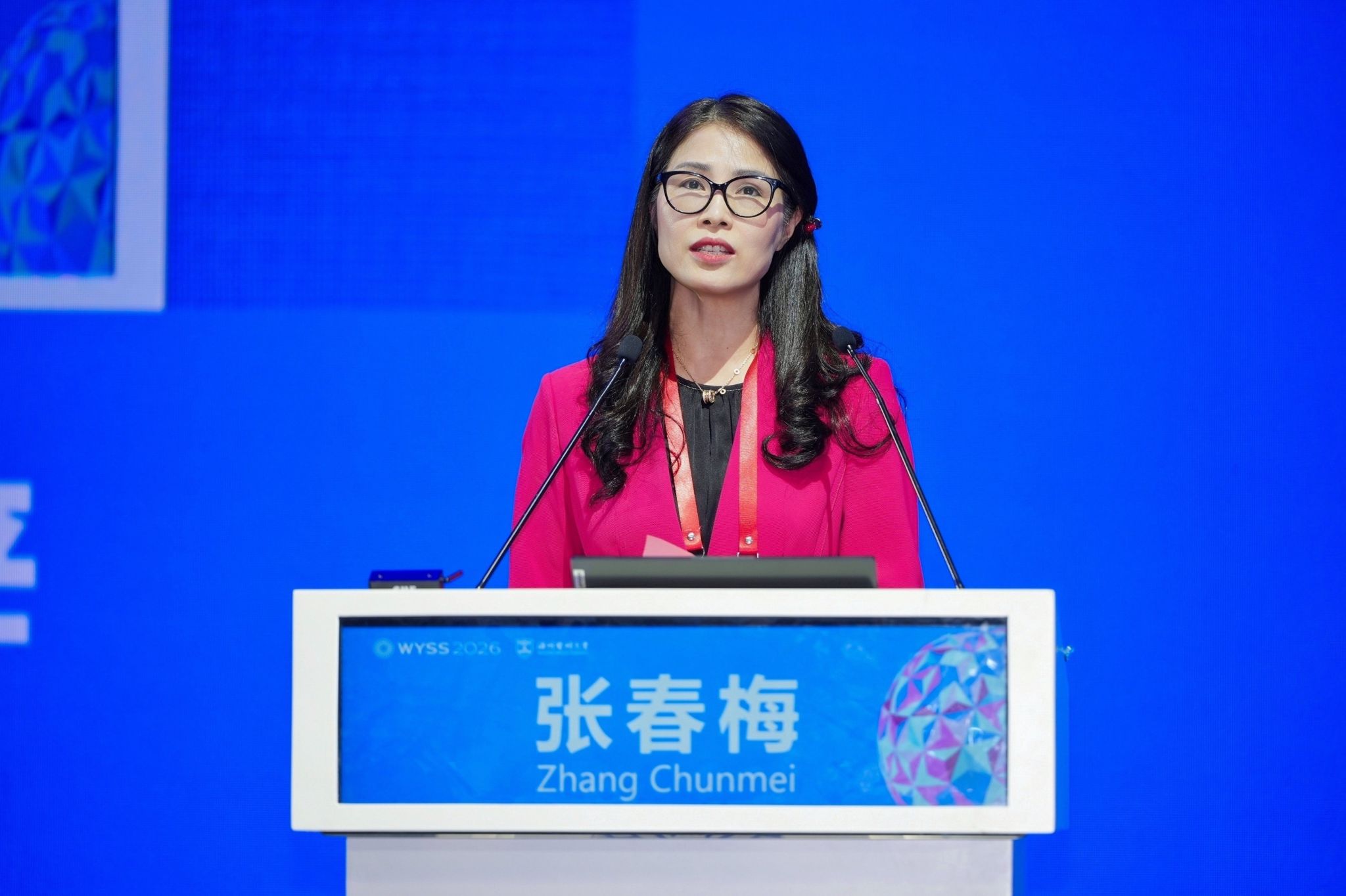
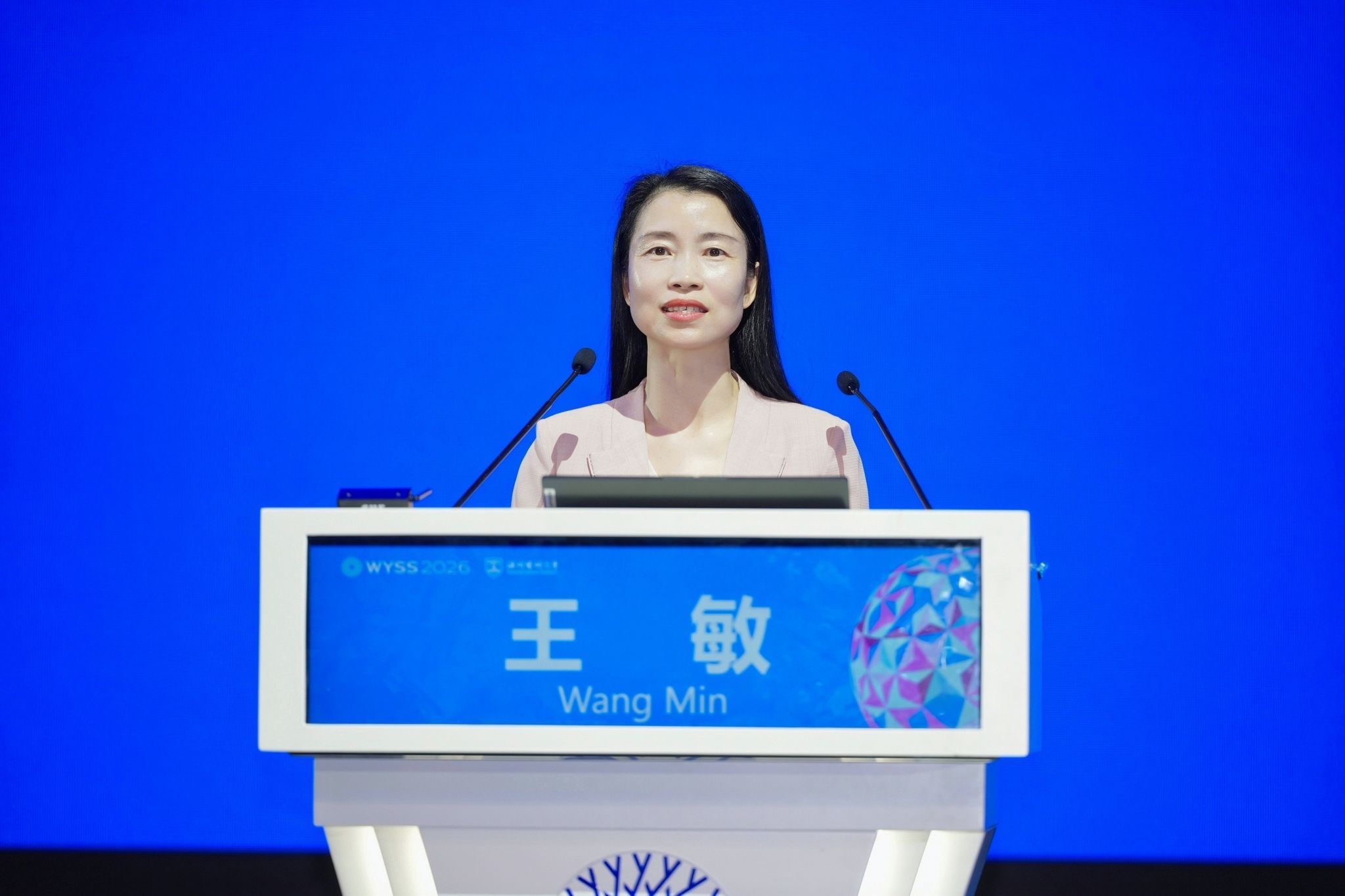
Professor Cai Fuman, Dean of the School of Nursing, and Zhang Chunmei, President of the Wenzhou Nursing Association, delivered welcome speeches respectively. The opening ceremony was presided over by Wang Min, Party Committee Secretary of the School of Nursing.
Keynote Speeches
Themed “Innovative Nursing, Winning the Future with Intelligence,” the conference brought together renowned nursing experts, scholars, and young research talents from home and abroad, offering diverse sessions including the Graduate Academic Forum, Psychological Nursing, Hospital Infection Nursing, and the Evidence · Humanities · Innovation Nursing session. Participants offered insights and shared cutting-edge explorations, discussing the path of innovative development for the nursing discipline.
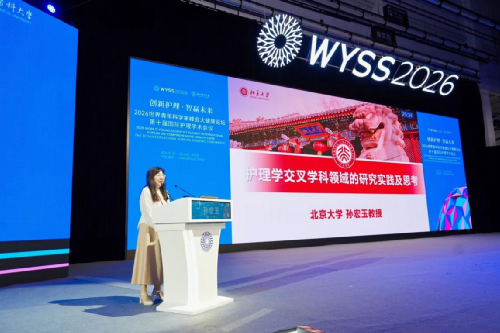
Professor Sun Hongyu, Secretary-General of the Teaching Steering Committee for Nursing Programs under the Ministry of Education, delivered a report entitled “Research Practice and Reflections in Interdisciplinary Fields of Nursing.” Grounded in the trend of multidisciplinary integration in nursing and the empowerment of medical-engineering sci-tech innovation, her report focused on the pathways, practical challenges, and future directions of interdisciplinary nursing research, pointing the way for the deep integration of nursing with multiple disciplines.
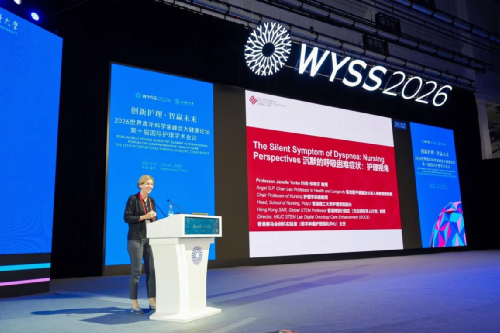
Professor Janette York, Dean of the School of Nursing at The Hong Kong Polytechnic University, delivered a report entitled “The Silent Symptom of Dyspnea: Nursing Perspectives.” Based on frontline clinical scenarios, she analyzed the easily overlooked and hidden manifestations of dyspnea in clinical practice, clarified the difficulties in symptom identification, and provided novel ideas and practical references for optimizing dyspnea assessment procedures and delivering precise care interventions.
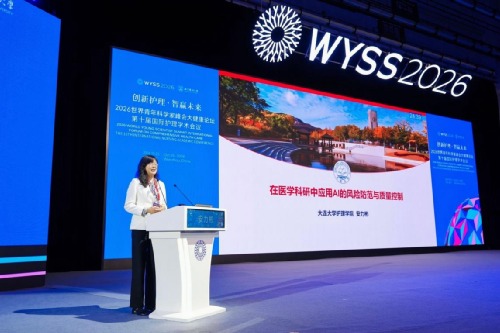
Professor An Libin, Vice Chair of the Teaching Steering Committee for Nursing Programs under the Ministry of Education, delivered a report entitled “Risk Prevention and Quality Control in the Application of AI in Medical Research.” Focusing on application scenarios of artificial intelligence in nursing research, the report analyzed the potential risks of the technology and proposed practical pathways for quality control, providing ideas for risk prevention in the digital-intelligent application of nursing research.
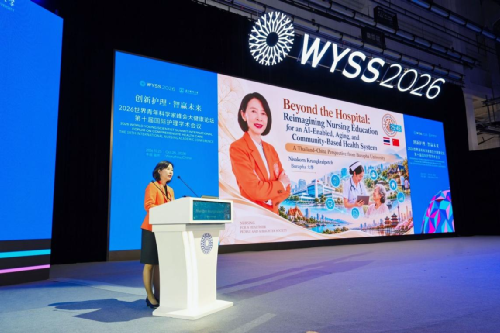
Professor Nisakorn Kongpetpetch, Dean of the Faculty of Nursing at Burapha University, Thailand, delivered a report entitled “Beyond the Hospital: Reimagining Nursing Education for an AI-Enabled, Aging, and Community-Based Health System.” In light of the reality of health system transformation, she elaborated on how nursing education can move beyond hospital limitations against the backdrop of population aging, and explored the role positioning and cultivation pathways of the new generation of nurses.
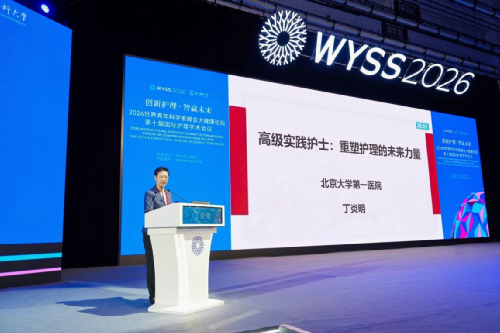
Professor Ding Yanming, Vice President of the Chinese Nursing Association, delivered a report entitled “Advanced Practice Nurses: The Future Force Reshaping Nursing.” The report systematically reviewed the development of advanced practice nurses (APNs), interpreted the internationally authoritative definition of APNs and their four core competencies, and illustrated the value of APNs in chronic disease management, primary care, and responding to population aging through practice cases from multiple countries.
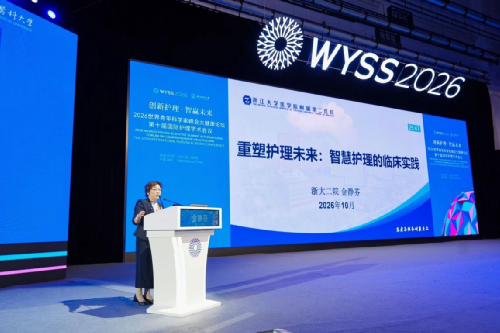
Professor Jin Jingfen, President of the Zhejiang Nursing Association, delivered a report entitled “Reshaping the Future of Nursing: Clinical Practice of Smart Nursing.” Rooted in frontline clinical work, she systematically expounded the ideas for building smart nursing and clearly demonstrated practical pathways for integrating digital technology into nursing processes and empowering service quality improvement, providing useful references for further advancing smart nursing in the province.
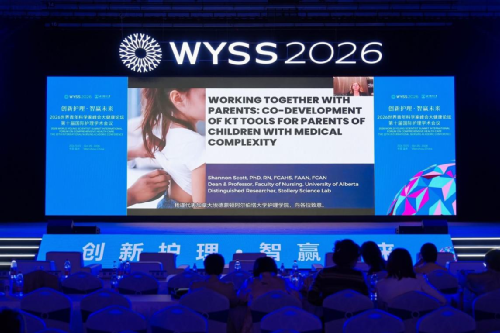
Professor Shannon Scott, Dean of the Faculty of Nursing at the University of Alberta, Canada, delivered an online report entitled “Working Together with Parents: Co-development of Knowledge Translation (KT) Tools for Parents of Children with Medical Complexity.” Focusing on family care for children with complex illnesses, the report introduced a collaborative development model for knowledge translation tools designed for parents of sick children.
Sub-Venues
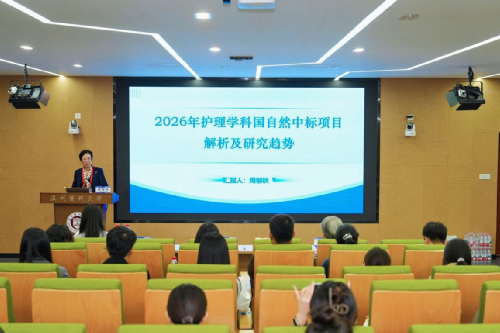
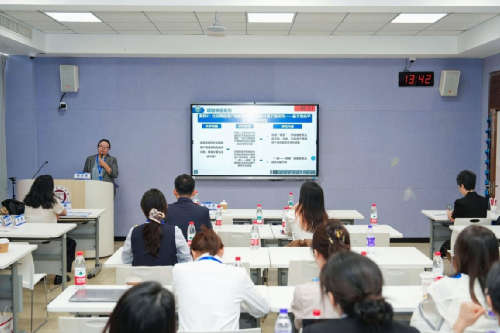
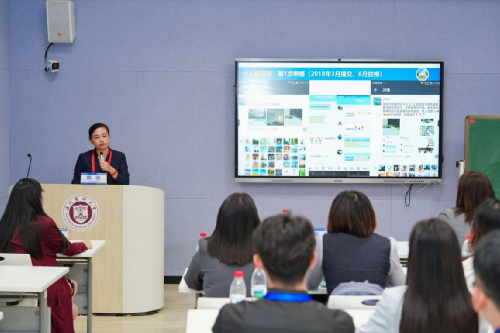
Graduate Academic Forum
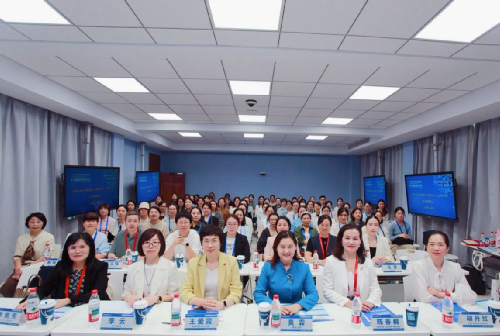
Psychological Nursing Session
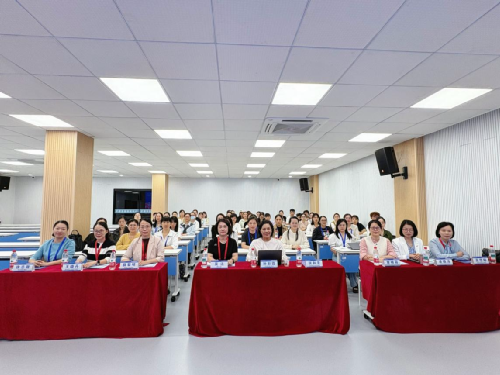
Hospital Infection Control Session
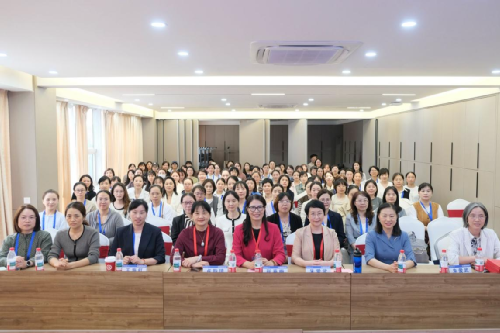
Evidence · Humanities · Innovation Session
In addition to the main venue, this year's conference specially featured 3 graduate academic forums and 3 sub-venues. Experts and scholars such as Professor Zhou Yuqiu, Honorary Dean of the School of Nursing at Harbin Medical University, Professor Yang Bingxiang, Vice Dean of the School of Nursing at Wuhan University, and Professor Chen Yu of the School of Nursing at Southern Medical University, together with nearly 200 master's and doctoral students, engaged in in-depth exchanges on the latest research results, clinical practice insights, and educational management experience in their respective fields. The atmosphere was lively, with constant sparks of inspiration.
A decade of cultivation, a legacy passed on. Closely aligned with the Healthy China strategy, the conference integrated cutting-edge international concepts with the practice of China's nursing development, building a high-level academic dialogue platform for mutual learning and collaborative innovation in the global nursing field. Standing at the new starting point of its tenth anniversary, the School of Nursing will firmly grasp the direction of high-quality discipline development, drive a paradigm revolution in nursing with digital technology, continuously expand international exchange and cooperation, lead the nursing discipline toward the in-depth development of “whole-life-cycle health management,” and contribute the strength of WMU Nursing to building a high-quality and efficient healthcare system and a global community of health for all.
